You have probably heard that anything you eat after 8 p.m. goes straight to your hips. It is a popular rule, and it makes late dinners feel like a crime.
The real story is more interesting, and a little kinder.
The one takeaway Verdict: partly true. Your body does not store food as fat just because the clock says 9 p.m., but late eating is linked to extra snacking, higher blood sugar after meals and poorer sleep, which can all add up over time.
What the myth gets wrong
Weight change comes mostly from how much you eat and move across days and weeks. A 500-calorie dinner at 6 p.m. and the same dinner at 9 p.m. are not wildly different in the energy they give you.
So if you eat late because of your work or family schedule, and your overall eating is balanced, you do not need to panic.
What the myth gets right
Late eating often comes with habits that do add up. Evening snacks tend to be eaten in front of the TV, straight from the bag, when you are tired and not really hungry. Those extra bites are where most of the trouble starts.
Your body also handles sugar a little less well in the evening than in the morning. Research suggests that big, late meals may lead to higher blood sugar after eating, especially as you get older.
And a full stomach at bedtime can bring on heartburn and lighter, more broken sleep. Poor sleep, in turn, is linked to more hunger the next day.
Simple ways to eat later, better
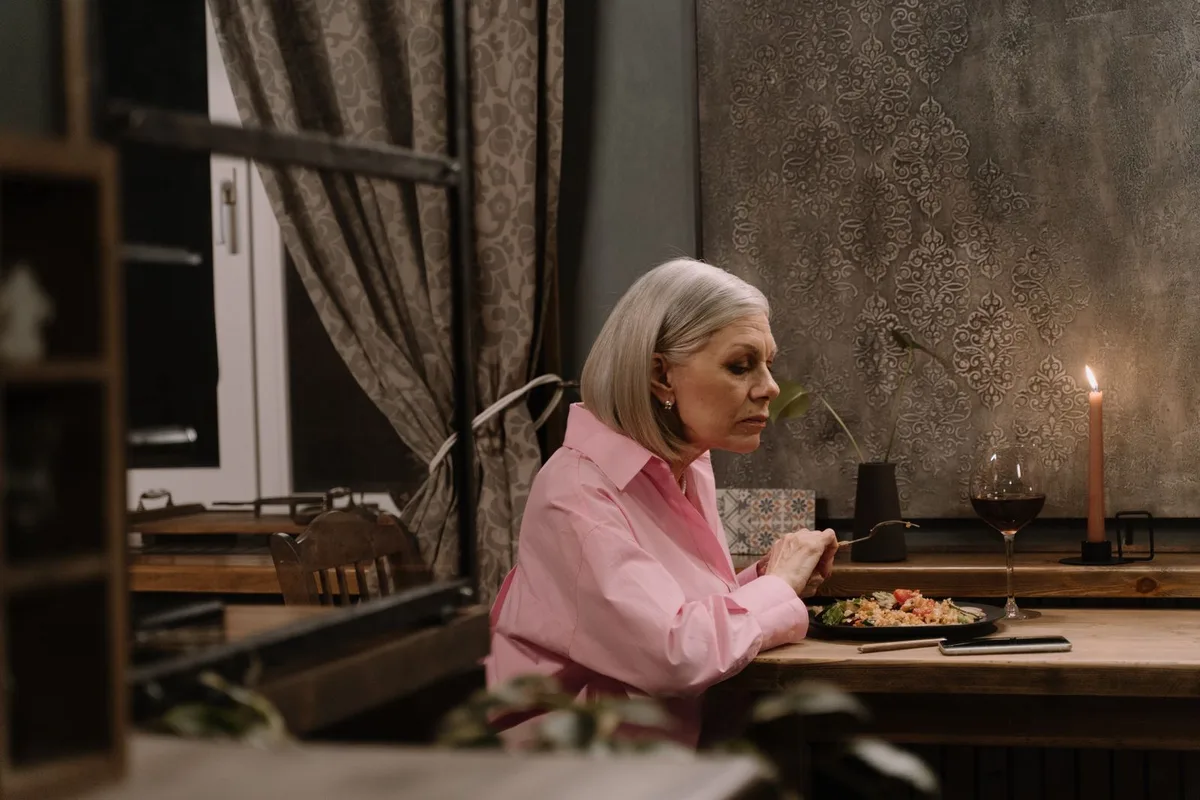
- Try to finish your last meal two to three hours before bed.
- Make the late meal the lighter one when you can.
- If you snack, plate it instead of eating from the package.
- Choose protein or fiber, like yogurt or an apple with nut butter.
Ask yourself one question before a night snack: am I hungry, or just tired? If it is tired, a cup of herbal tea may be what you want.
When to talk to your doctor
Talk to your doctor if you wake up at night needing to eat, have regular heartburn or gain weight without a clear reason. If you take diabetes medicine, ask before changing your meal timing, since doses may depend on when you eat.
The clock matters a little. What you eat, how much and how well you sleep matter much more.
Our articles share general information, not medical advice. Talk to your doctor before changing your diet, exercise or supplements, especially if you take medication for your heart or blood pressure. VigorLong Insider is a reader magazine, not the official VigorLong store.