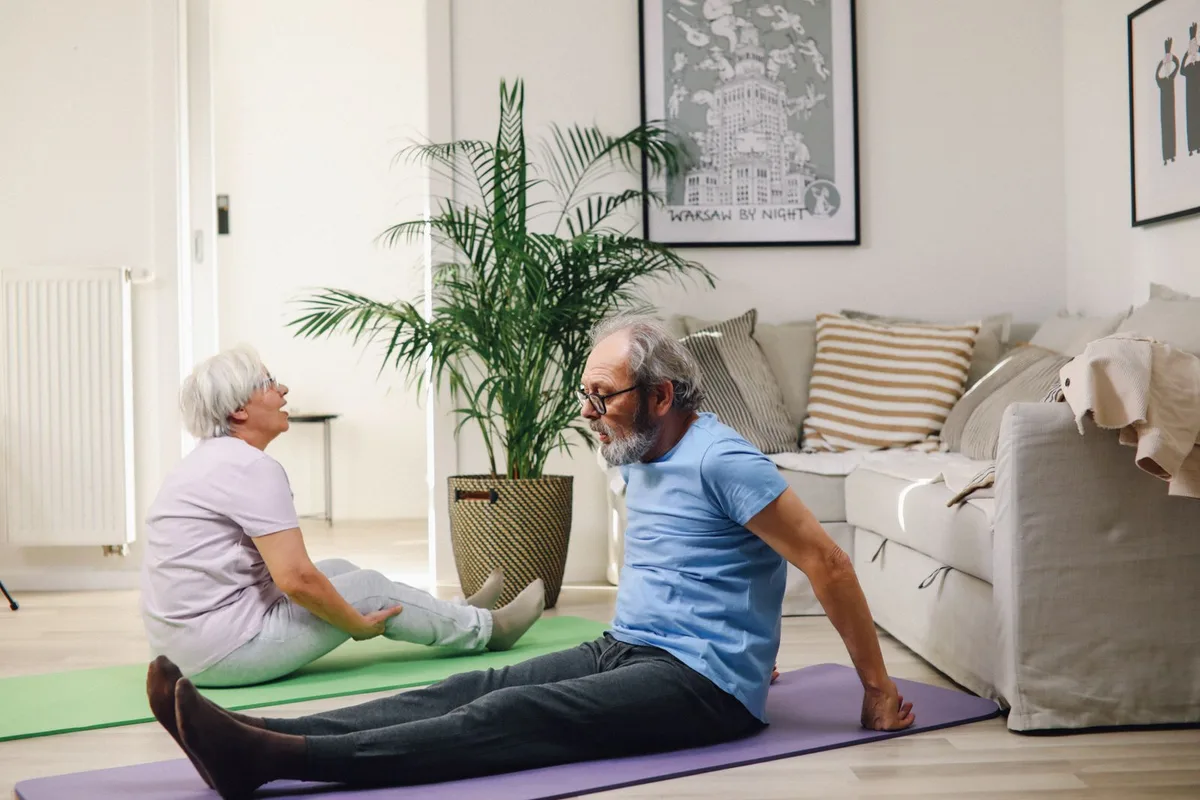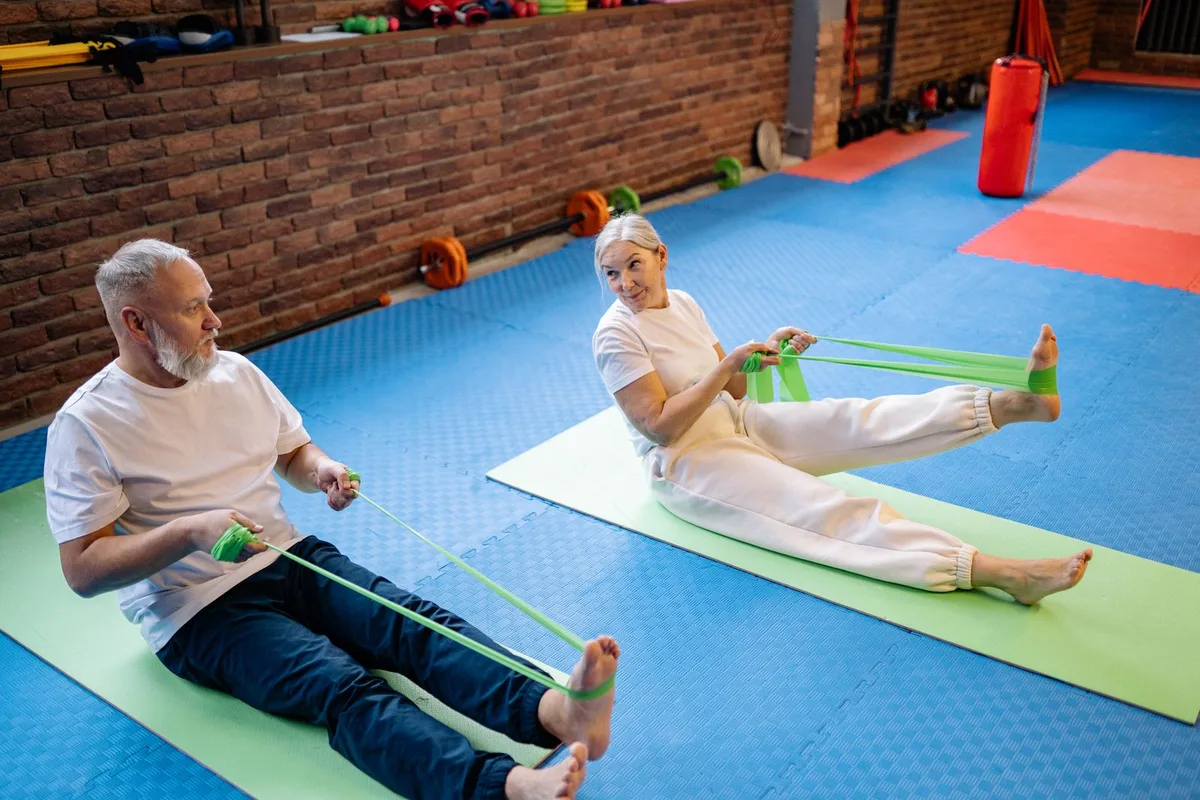
When your knee aches, the natural instinct is to rest it. Move less, sit more, wait for it to calm down.
With arthritis, that often backfires. Weak muscles and stiff joints tend to make knee pain worse over time.
The one takeaway Regular, gentle exercise is one of the most recommended ways to manage knee osteoarthritis. Strengthening the muscles around the knee and keeping the joint moving may ease pain and stiffness and help you stay active.
Why exercise helps an arthritic knee
Your thigh muscles, especially the quadriceps at the front, help absorb force before it reaches the joint. When they are strong, the knee itself takes less of the load.
Movement also helps keep joint tissues nourished and reduces stiffness. Health agencies like the CDC recommend physical activity for people with arthritis because it is linked to less pain and better function.
Five gentle moves to start with
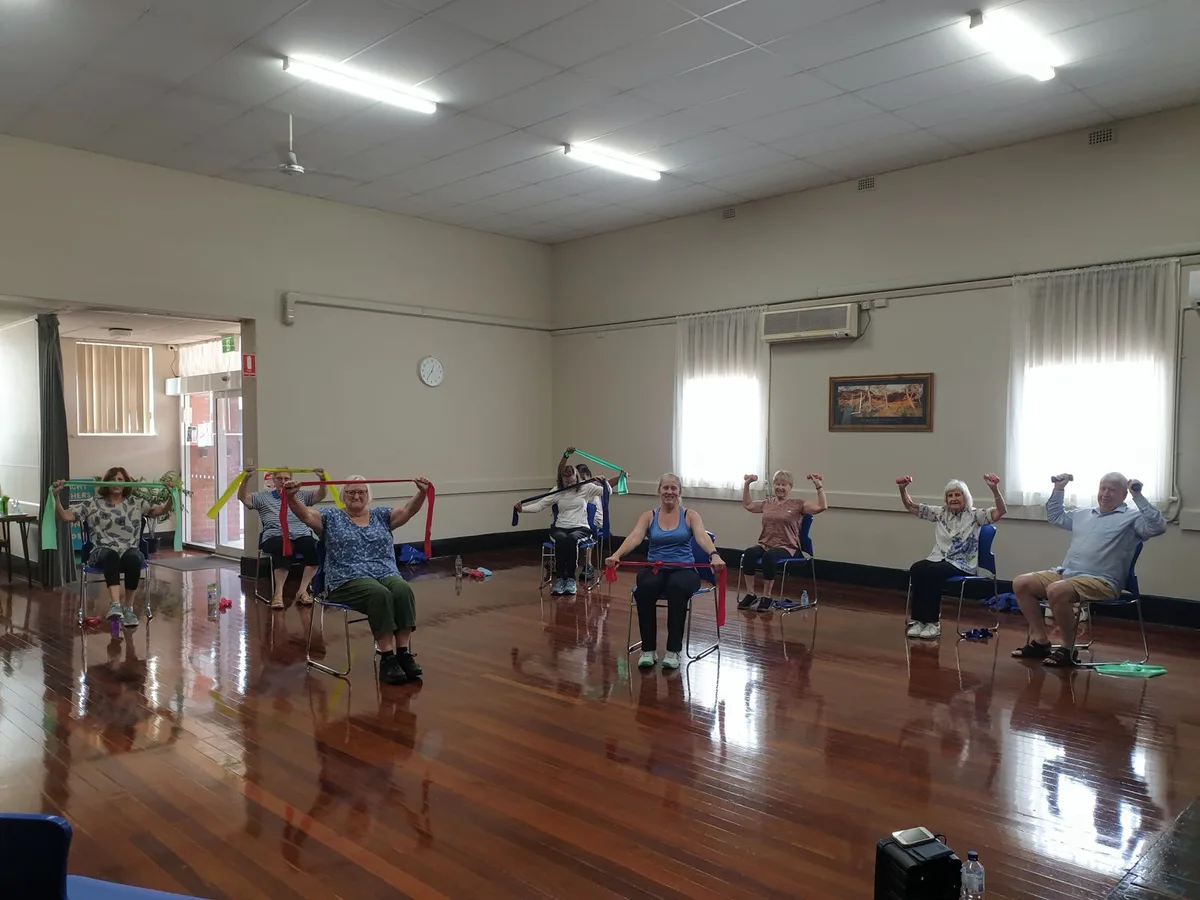
- Quad sets: sit with your leg straight, tighten the thigh to press the back of the knee down, hold 5 seconds and relax.
- Straight leg raises: lie on your back with one knee bent, lift the straight leg to the height of the other knee and lower slowly.
- Sit-to-stand: rise from a sturdy chair without using your hands if you can, then sit back down slowly.
- Heel raises: hold a counter and rise onto your toes, then lower.
- Seated knee extensions: sit tall and straighten one knee, hold briefly and lower.
Start with 8 to 10 repetitions of each and build up over a few weeks. Most people do them once a day or every other day.
Add easy cardio
Low-impact activities are kind to sore knees. Walking, a stationary bike and water exercise are good choices. Build gradually toward about 150 minutes a week, the general activity target for adults, in whatever chunks work for you.
How much discomfort is okay
Some mild aching during exercise is common and usually fine. A useful rule: if your knee hurts more two hours after exercising than it did before, you did too much. Ease off next time rather than stopping completely.
Warm up first. A few minutes on a bike or a short walk makes the joint feel noticeably easier before strength work.
When to talk to your doctor
Talk to your doctor or a physical therapist before starting if your knee is very painful, or if you have heart problems or balance trouble. Seek care promptly if your knee becomes hot, red and swollen, locks, gives way or cannot bear weight. Ask your doctor or pharmacist before using pain medicine regularly.
A stronger leg makes for a happier knee. Start small, stay steady, and give it a few weeks.
Our articles share general information, not medical advice. Talk to your doctor before changing your diet, exercise or supplements, especially if you take medication for your heart or blood pressure. VigorLong Insider is a reader magazine, not the official VigorLong store.