A composite story based on common reader experiences. It is illustrative, not about one real person.
Picture this: you are 61, and evenings have a fixed shape. Dinner, dishes, then the couch until bedtime. You feel heavy after eating and you sleep less well than you used to, but you are too tired to imagine a workout at night.
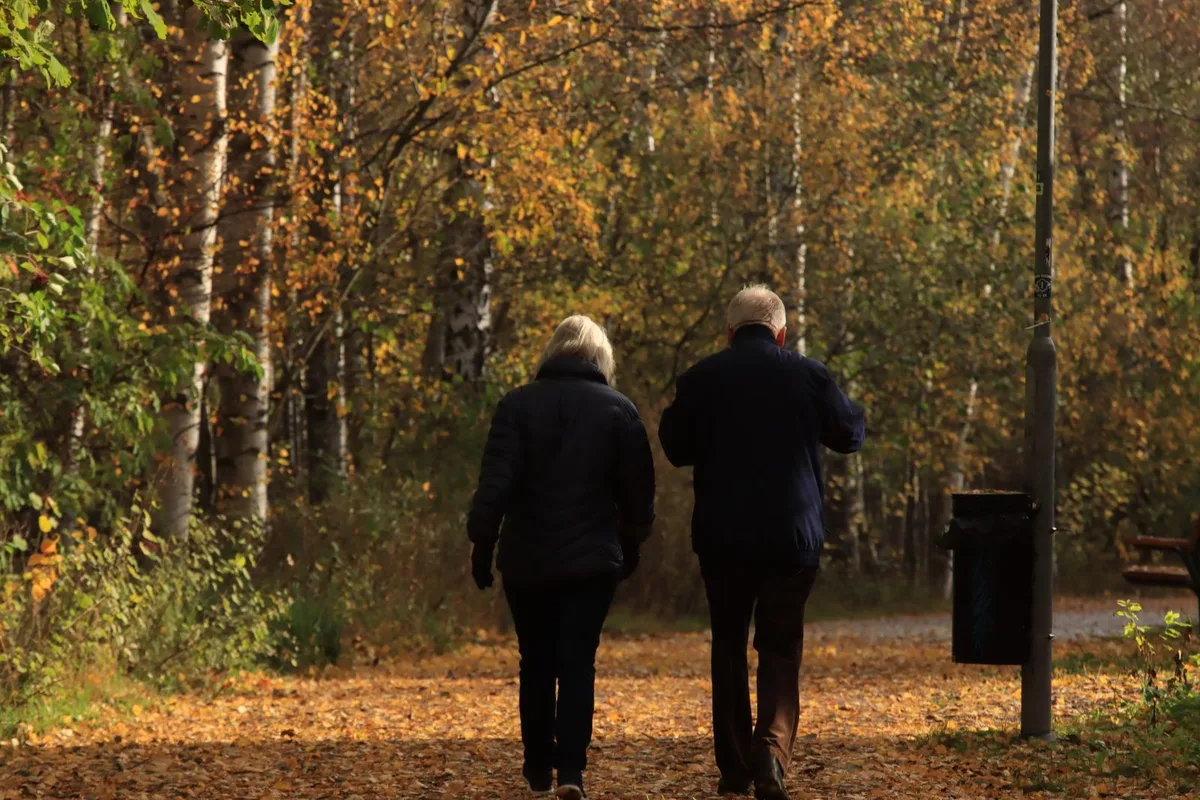
Then someone suggests something so small it almost sounds silly: a ten minute walk right after dinner. Not a gym session. Just around the block.
Insider Tip A short, easy walk after your evening meal is linked to steadier blood sugar after eating and can make evenings feel lighter. The habit sticks best when it is small and tied to something you already do.
Why after dinner
When you eat, your blood sugar rises. Working muscles use sugar for fuel, so moving soon after a meal helps your body use some of that sugar. Research suggests that even short walks after meals may help soften the rise in blood sugar, especially compared with sitting.
There is a simpler benefit too. A walk gets you off the couch at the moment you are most likely to snack.
The first few weeks

The first week goes well. The second week it rains twice and you skip. The third week you are tired and decide the walk can wait until tomorrow, which turns into three tomorrows.
What helps, for many people, is making the walk part of the dinner routine rather than a separate decision:
- Shoes and jacket by the door before you sit down to eat
- Walk before the dishes, not after
- A short indoor loop or marching in place on bad weather days
- A walking partner, even if it is just a phone call
Set the bar low on purpose. Ten minutes counts. On good nights you will often go longer without trying.
What tends to change
After a month or two, the walk stops being something you have to talk yourself into. It is just what happens after dinner. Many people notice they feel less sluggish in the evening, and some find they fall asleep a little more easily.
Nothing dramatic happens overnight. The value is in the repetition.
When to talk to your doctor
If you have heart or lung disease, joint problems, balance issues or you are new to exercise, ask your doctor what level of activity is safe for you. If you take medicine that lowers blood sugar, ask whether walking after meals could affect your levels. Stop and get help if you feel chest pain, severe shortness of breath or dizziness.
Tonight, after dinner, put your shoes on before you sit down. That is the whole first step.
Our articles share general information, not medical advice. Talk to your doctor before changing your diet, exercise or supplements, especially if you take medication for your heart or blood pressure. VigorLong Insider is a reader magazine, not the official VigorLong store.