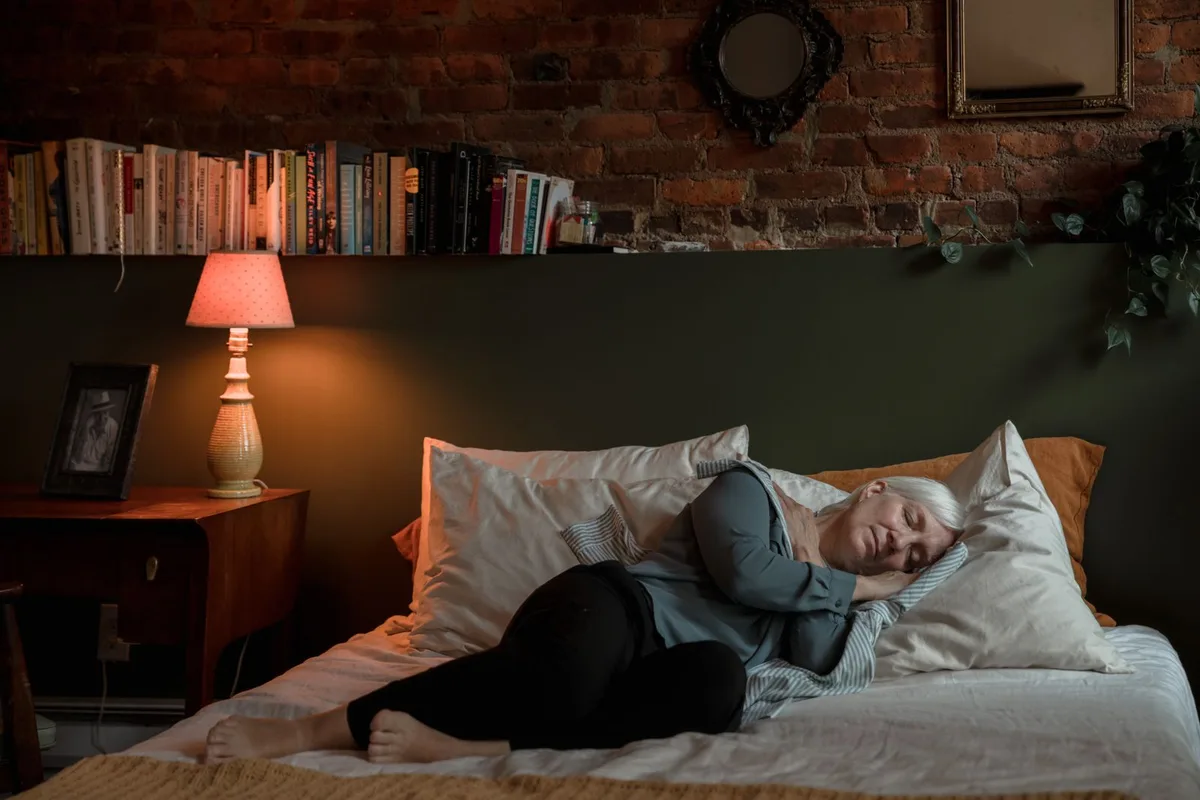
If you wake at 3 or 4 a.m., wide awake for no clear reason, you are far from alone. It is one of the most common sleep complaints after 50, and it rarely means you are bad at sleeping.
What changes is the sleep itself. Once you see how, the fix most advice skips makes a lot of sense.
The one takeaway After 50 your sleep gets lighter and your body clock runs earlier. Ten minutes of outdoor light soon after you wake helps set tonight's sleep, and a few evening habits protect the fragile second half of the night.
Lighter sleep, earlier clock
With age, you spend less time in deep sleep, the slow, heavy stage that is hardest to wake from. Lighter sleep means small things now wake you: a sound outside, a warm room, a full bladder.
At the same time, the body clock tends to shift earlier. Many people feel sleepy earlier in the evening and wake earlier in the morning. If you fall asleep at 9:30, a 4 a.m. wake-up can simply be the end of your night.
The fix most advice skips: morning light
Your body clock sets itself mainly by light, and the strongest signal comes in the morning. Outdoor light is many times brighter than indoor light, even on a cloudy day, so a few minutes outside does what a bright kitchen cannot.

Ten minutes outside within an hour of waking tells your clock when the day began. That helps sleepiness arrive at the right time tonight instead of too early. Coffee on the porch counts, and so does a short walk to the mailbox.
Protect the second half of the night
The early morning hours are where lighter sleep breaks most easily, so this is where small habits pay off.
- Finish alcohol at least three hours before bed. It can help you drift off, but it tends to break up the second half of the night.
- Keep the bedroom cool, around 65°F (18°C), and dark.
- Drink less in the last two hours before bed.
If you wake in the night, do not check the clock. Seeing the time starts the mental math that keeps you awake.
When to talk to your doctor
Bring it up if you snore loudly, gasp or choke during the night, or feel very sleepy in the daytime even after a full night in bed. These can be signs of sleep apnea, which is common and treatable. Also mention it if poor sleep comes with low mood, or if you need a sleep aid most nights. Do not stop or change a prescribed medicine on your own.
Your sleep after 50 is not broken, it is different. Start with the morning light tomorrow, keep it up for two weeks, and notice when you begin to feel sleepy in the evening.
Our articles share general information, not medical advice. Talk to your doctor before changing your diet, exercise or supplements, especially if you take medication for your heart or blood pressure. VigorLong Insider is a reader magazine, not the official VigorLong store.