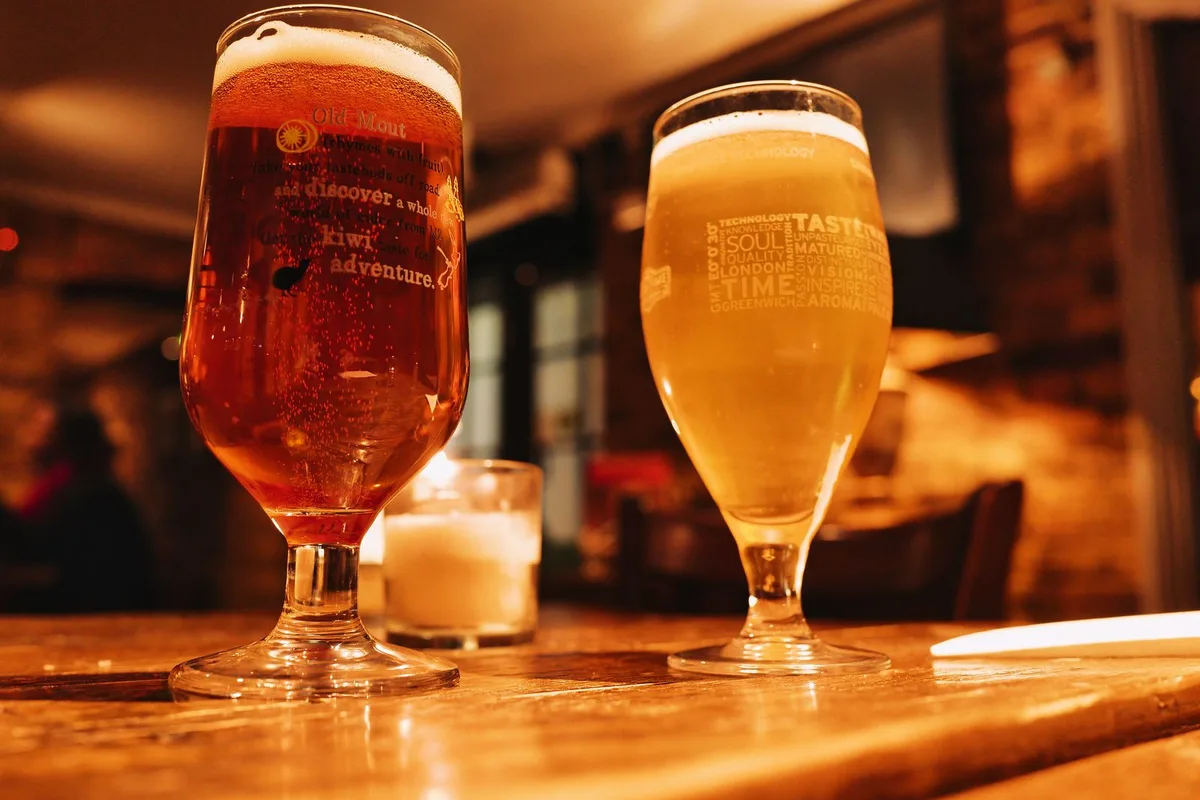
Plenty of men unwind with a drink or two. It is social, it is relaxing, and it rarely feels like a health decision.
But if you have been feeling flat, sleeping badly or watching your belly grow, it is fair to ask how alcohol fits into the picture.
Insider Tip Heavy and regular drinking is clearly linked to lower testosterone in men. An occasional drink appears to matter much less. The amount, how often and how it affects your sleep and weight are what count most.
What alcohol does to your hormones
Alcohol can interfere with the signals between your brain and testes that tell your body to make testosterone. Over time, heavy drinking can also damage the cells that produce it directly.
Your liver plays a part too. It processes both alcohol and hormones, and long-term heavy drinking can tip the balance toward more estrogen in men.
The indirect effects add up

Even moderate amounts can work against you in quieter ways:
- Broken sleep. Alcohol helps you fall asleep but disrupts deep sleep later in the night, and much of your daily testosterone is released during sleep.
- Extra calories, often with salty snacks, which can add belly fat.
- Lower motivation to train the next day.
How much is too much
US dietary guidelines say that men who drink should limit it to two drinks or fewer on days they drink. One drink is about 12 ounces of regular beer, 5 ounces of wine or 1.5 ounces of spirits. Less is better for health, and binge drinking, five or more drinks in about two hours for men, is the pattern most clearly linked to harm.
Easy ways to cut back
Set alcohol-free weeknights. Alternate each drink with a glass of water. Switch to a smaller glass or a lighter beer. Notice how you sleep on the nights you skip it.
Try two or three dry weeks and track your sleep, energy and mood. Many men are surprised by how much better mornings feel.
When to talk to your doctor
Talk to your doctor if you find it hard to cut back, drink most days, or have signs of low testosterone such as low desire, fatigue or loss of muscle. Ask before mixing alcohol with any medicine. If you drink heavily every day, do not stop suddenly on your own, since withdrawal can be dangerous; get medical help to do it safely.
Your hormones respond to habits, and this is one habit you can change.
Our articles share general information, not medical advice. Talk to your doctor before changing your diet, exercise or supplements, especially if you take medication for your heart or blood pressure. VigorLong Insider is a reader magazine, not the official VigorLong store.