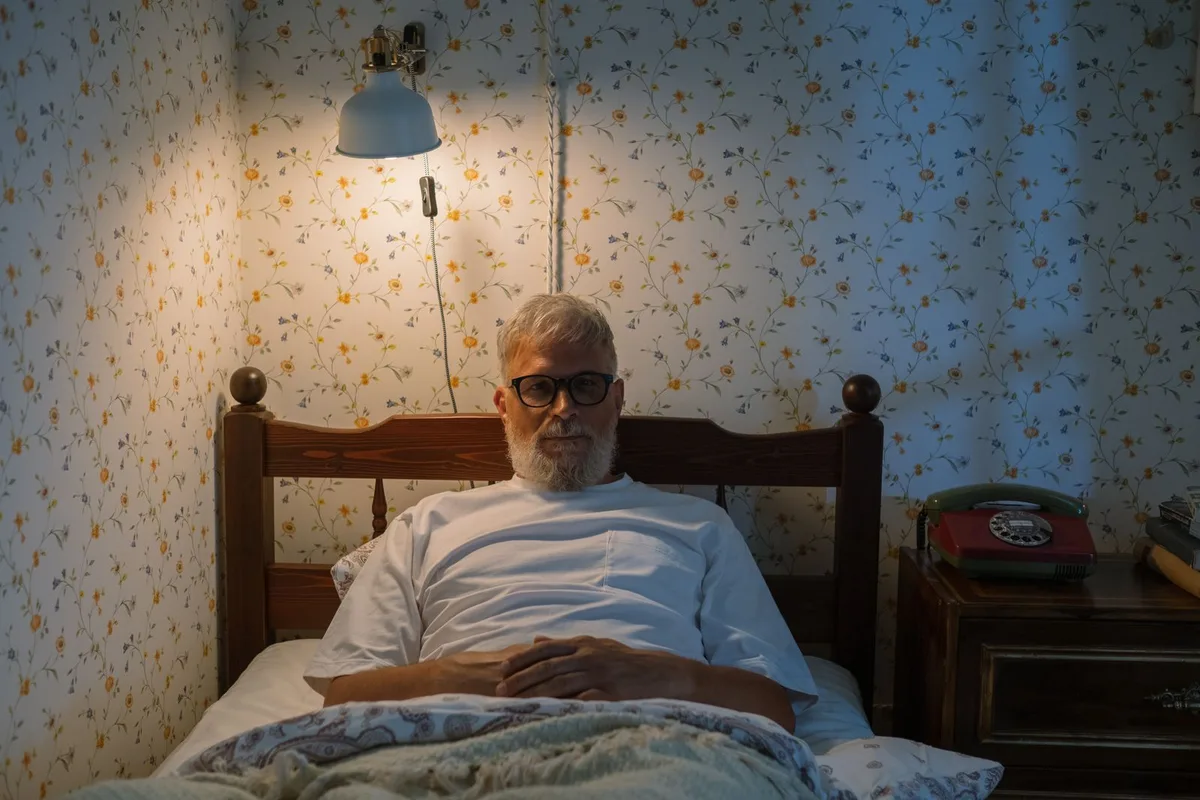
You finally lie down, the house is quiet, and then it starts. A creeping, pulling or buzzing feeling in your legs, and an urge to move them that will not let you rest.
It is a question we hear often, and you are far from alone. This pattern is common, especially after 50.
Insider Tip An urge to move your legs that gets worse in the evening and eases when you move is the classic pattern of restless legs syndrome. It is often linked to things your doctor can check, like low iron, and simple habits may help you sleep better.
What it feels like
People describe it as crawling, tingling, aching or itching deep inside the legs. The feeling usually shows up when you sit or lie still, and gets better when you walk or stretch. It tends to be worse in the evening and at night, which is why it can wreck your sleep.
What may be behind it
Sometimes there is no clear cause, and it can run in families. Other times it is linked to:
- Low iron levels, even without anemia
- Kidney problems
- Nerve changes in the feet and legs
- Some medicines, such as certain antihistamines, anti-nausea drugs and antidepressants
- Caffeine, alcohol and nicotine, especially later in the day
Do not stop any medicine on your own. If you think one might play a role, ask your doctor.
Habits that may help

- Take a short walk or do gentle calf stretches in the evening.
- Try a warm bath or massage your legs before bed.
- Cut back on caffeine after noon and go easy on alcohol at night.
- Keep a regular bedtime and wake time.
- Keep your mind busy during long sits, like with a puzzle, which some people find helps.
Keep a simple sleep note for two weeks: what you ate and drank in the evening, how active you were and how your legs felt. Patterns can show up quickly.
When to talk to your doctor
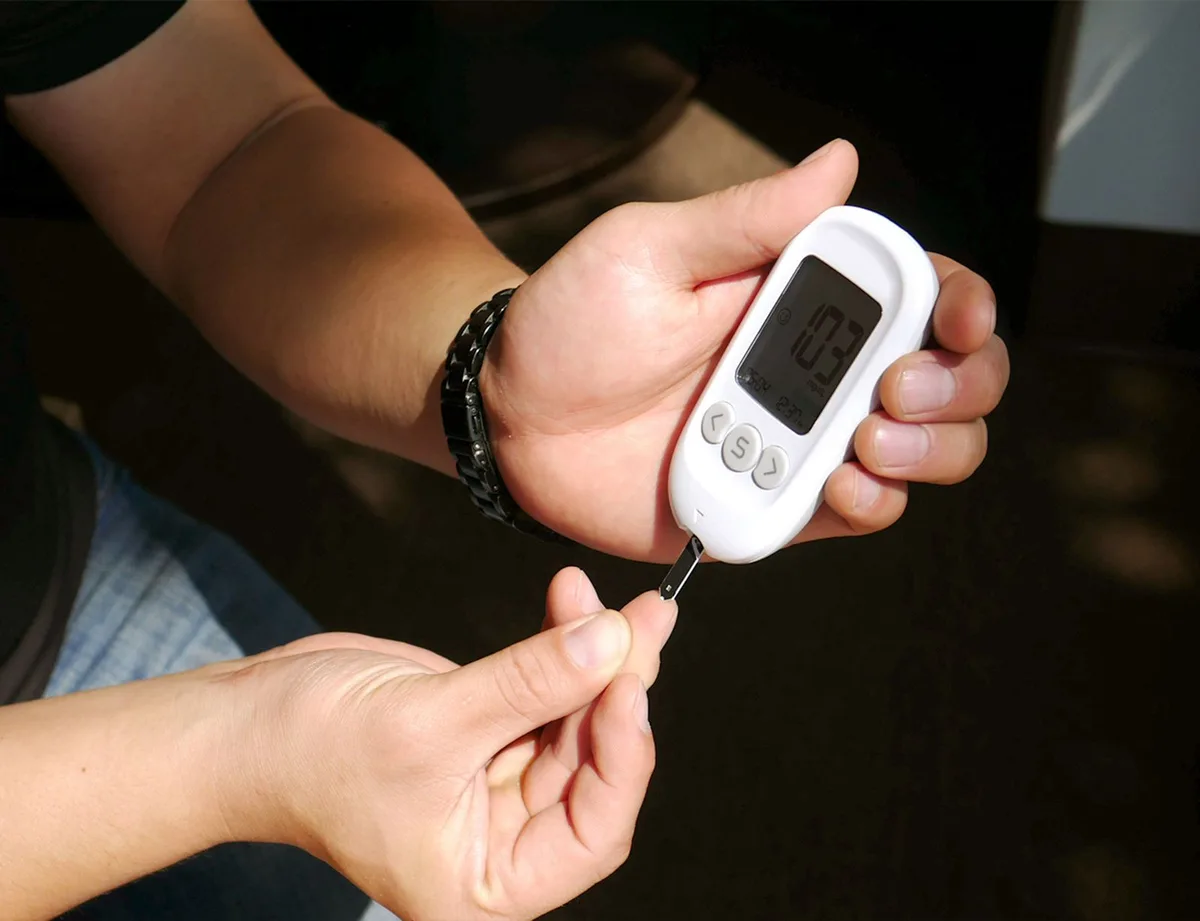
See your doctor if restless legs keep you up more than a couple of nights a week, or if you feel tired during the day. A simple blood test can check your iron. Your doctor can also look at your medicines and other health conditions to find what may be adding to it.
Better nights are often possible. The first step is naming the problem and asking about it.
Our articles share general information, not medical advice. Talk to your doctor before changing your diet, exercise or supplements, especially if you take medication for your heart or blood pressure. VigorLong Insider is a reader magazine, not the official VigorLong store.